
Why Pool Water Testing Is Important: Protect Your Pool, Health & Investment
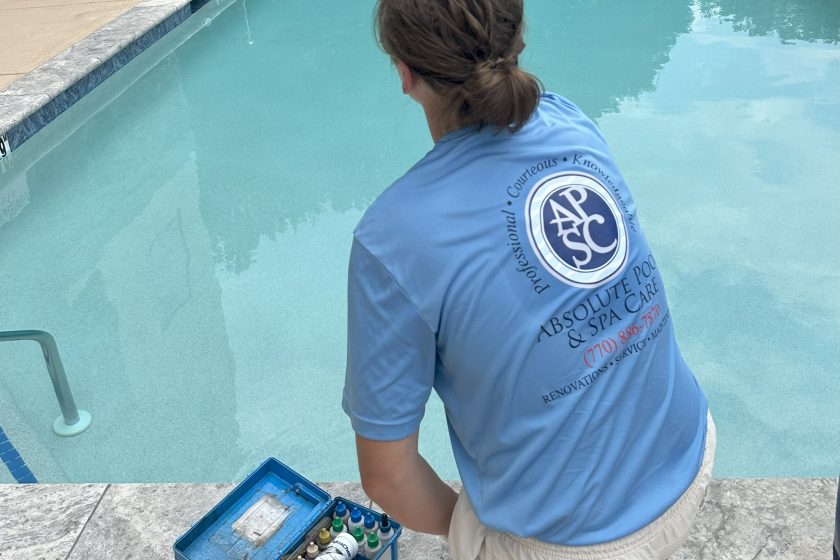
Owning a pool is a joy—especially when it’s sparkling, clear, and inviting. But behind that beautiful water is a delicate chemical balance that needs regular attention. That’s where pool water testing comes in. It’s not just a chore—it’s a critical step in protecting your pool, your health, and your investment.
Here’s why pool water testing matters and how often you should be doing it.
1. Protect Swimmers’ Health
First and foremost, proper water chemistry keeps swimmers safe. Unbalanced water can harbor bacteria, viruses, and algae that may cause skin irritation, eye discomfort, ear infections, or worse. Testing helps ensure that sanitizer levels (like chlorine or bromine) are strong enough to kill harmful microorganisms—without being too harsh.
2. Prevent Pool Damage
Unchecked water chemistry doesn’t just affect people—it can damage your pool too. If your pH or alkalinity levels are too low, your water becomes corrosive. That means it could eat away at your pool liner, plaster, tile grout, pump seals, and other equipment. On the flip side, if your water is too alkaline or calcium-rich, you may see scale buildup on surfaces and inside pipes.
Regular testing allows you to catch issues early and make corrections before costly damage occurs.
3. Improve Water Clarity and Comfort
Have you ever seen cloudy water, or felt your skin burn or itch after swimming? That’s often a sign of chemical imbalance. Proper water testing keeps your pH in range (typically between 7.2–7.8) for clear, sparkling water and a comfortable swimming experience.
4. Maintain Equipment Performance
Your pool equipment—like filters, heaters, pumps, and salt systems—relies on balanced water to function correctly. Corrosive or scaling water can shorten the lifespan of these components, leading to expensive repairs or replacements. Consistent water testing is a simple step that helps extend the life of your investment.
5. Save Money Over Time
Testing your pool water regularly may seem like a small task, but it can prevent big expenses. By catching chemical imbalances early, you avoid the need for major treatments like algae removal, stain correction, or equipment replacement. Keeping your water balanced also reduces the amount of chemicals you need, saving you money on supplies.
How Often Should You Test?
- At least 2–3 times per week during the swimming season
- Before and after heavy usage (like pool parties or storms)
- Weekly or biweekly during the off-season (for covered pools)
You can use test strips, a drop test kit, or take a water sample to your local pool professional for a more detailed analysis.
The Bottom Line
Water testing isn’t just about numbers—it’s about keeping your pool safe, clean, and long-lasting. Whether you’re a new pool owner or a seasoned pro, regular testing should be a non-negotiable part of your routine.
Need help understanding your test results or getting your water back in balance? Contact your local pool experts—we’re here to help you swim with confidence.